
Printed enclosures, from one unit.
No tooling, no minimum, and a design you can change between batches. The right process while the product is still learning what shape it should be.
Revision two costs the same.
The real argument for printing an enclosure is not speed or cost. It is that the design is not finished, and you do not yet know it.
Nobody gets a housing right first time. The connector is 2 mm too close to the edge, the lid flexes, the LED is invisible in daylight, and the mounting bosses are in the way of a cable nobody accounted for. These are discovered by holding the thing, not by reviewing the CAD.
With a mould, each of those discoveries is a tool modification measured in weeks and real money — so teams suppress them and ship a housing they know is wrong. With printing there is no tool, so revision two costs what revision one did. Teams routinely ship fifty units, learn three things, and fix them for the next fifty.
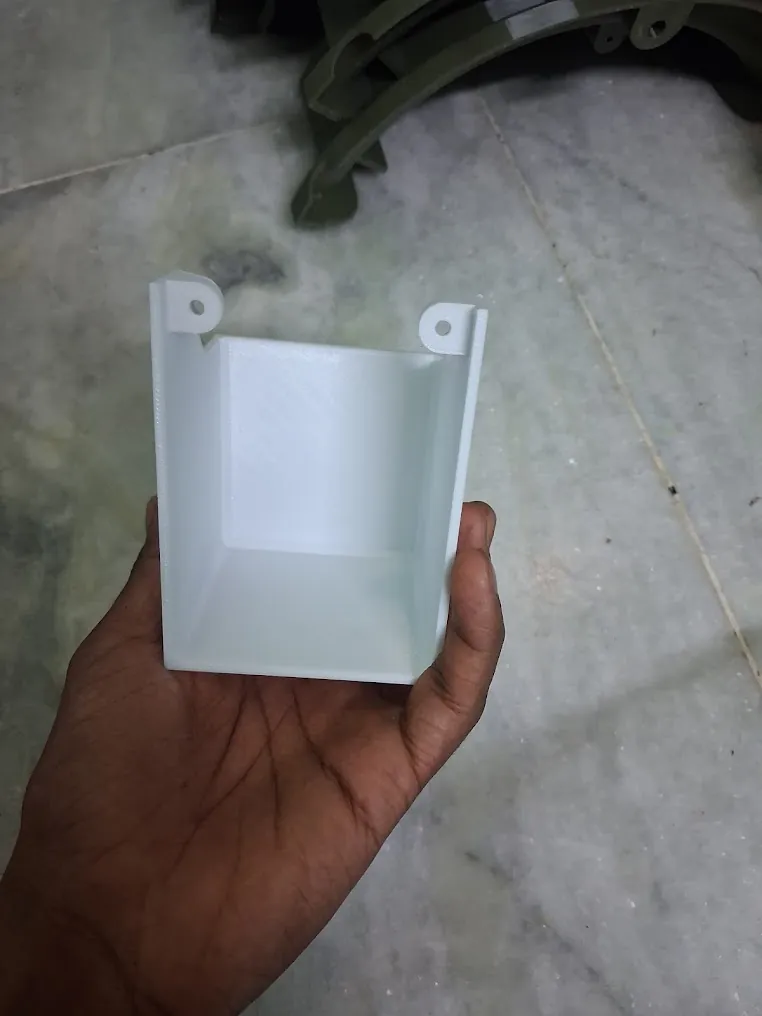
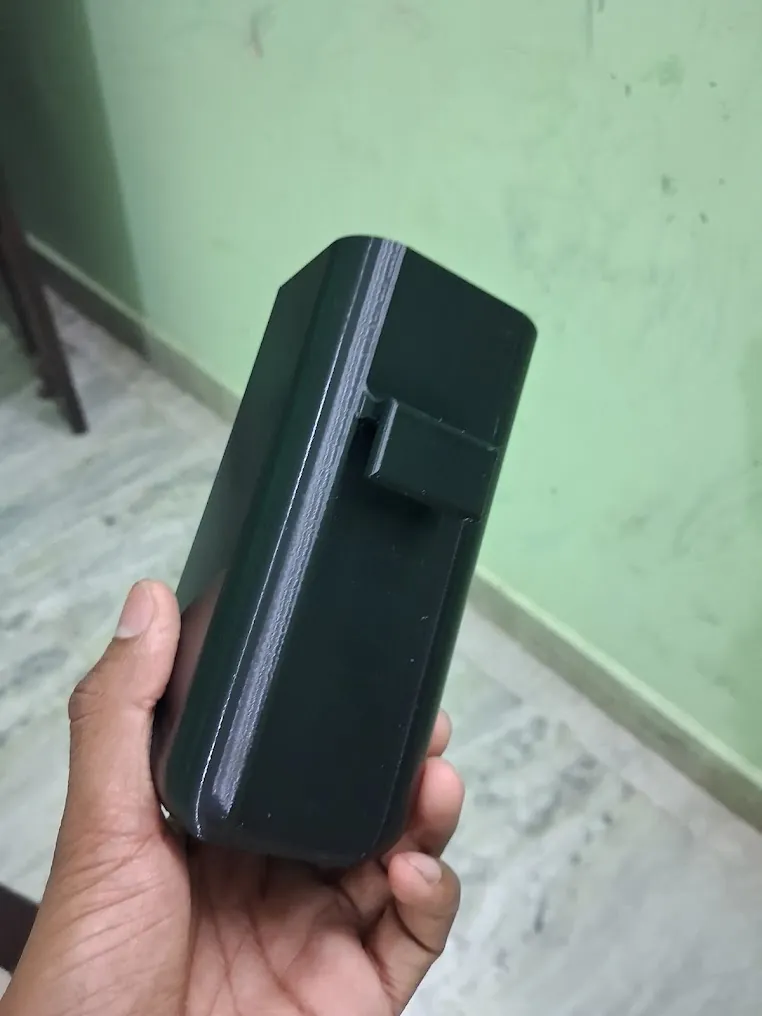
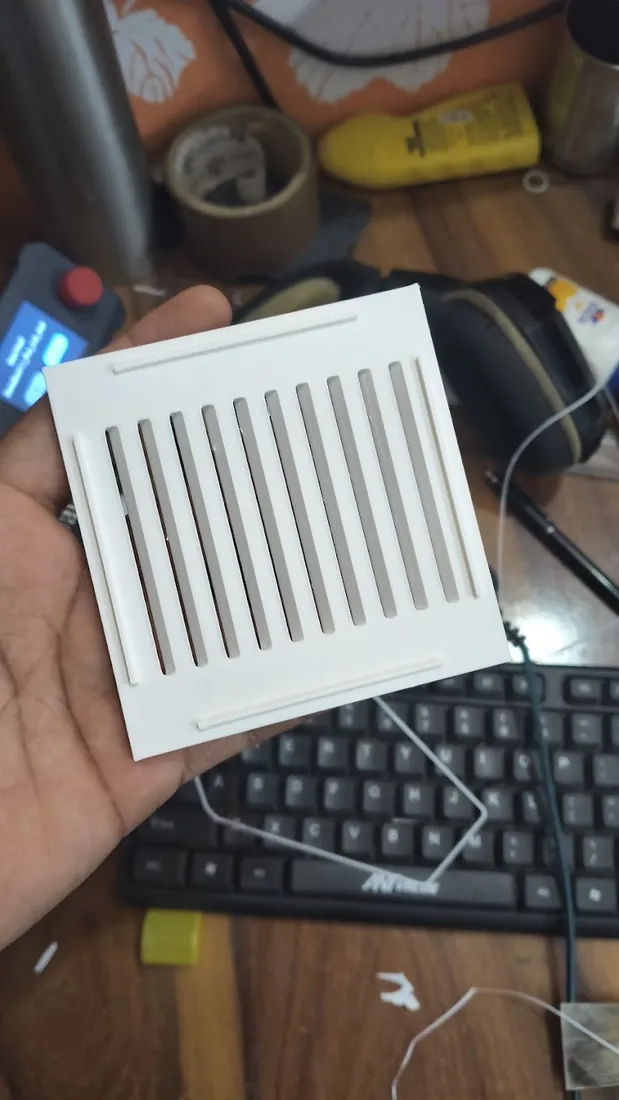
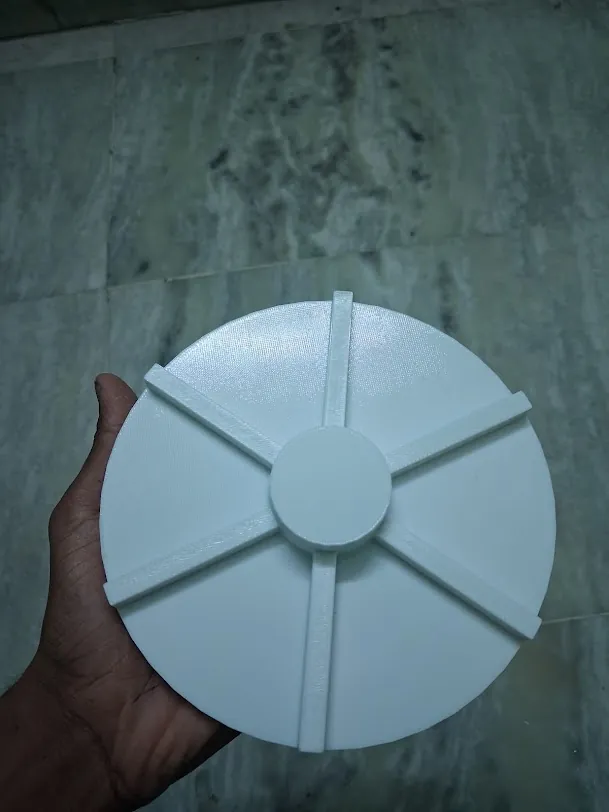
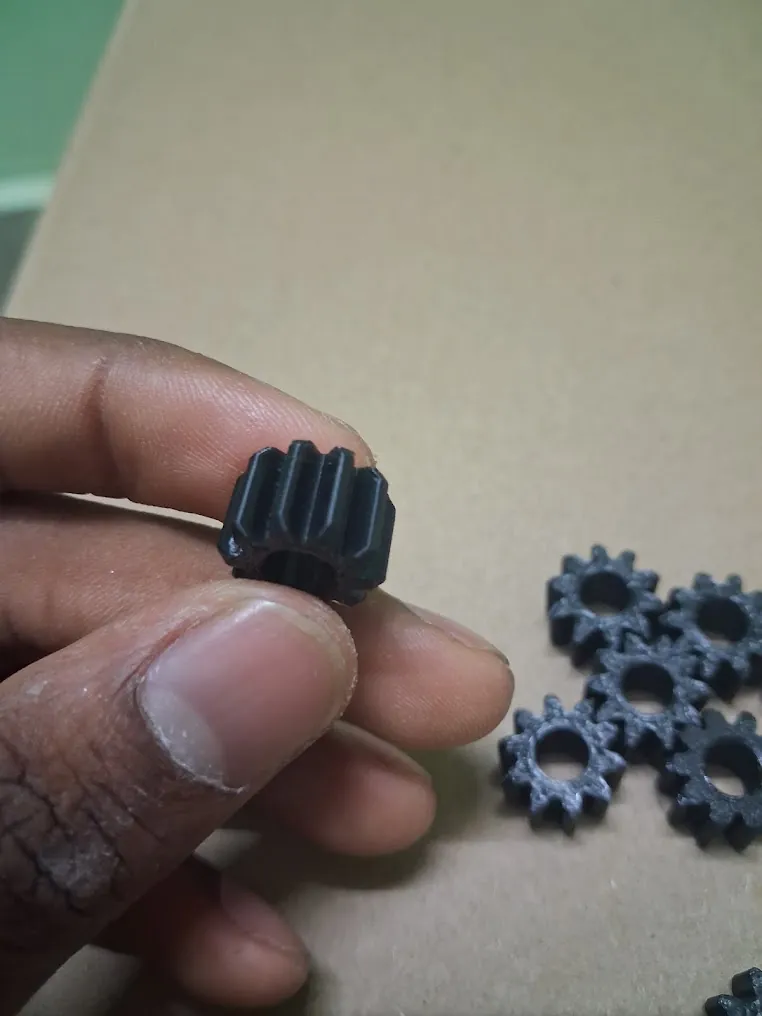
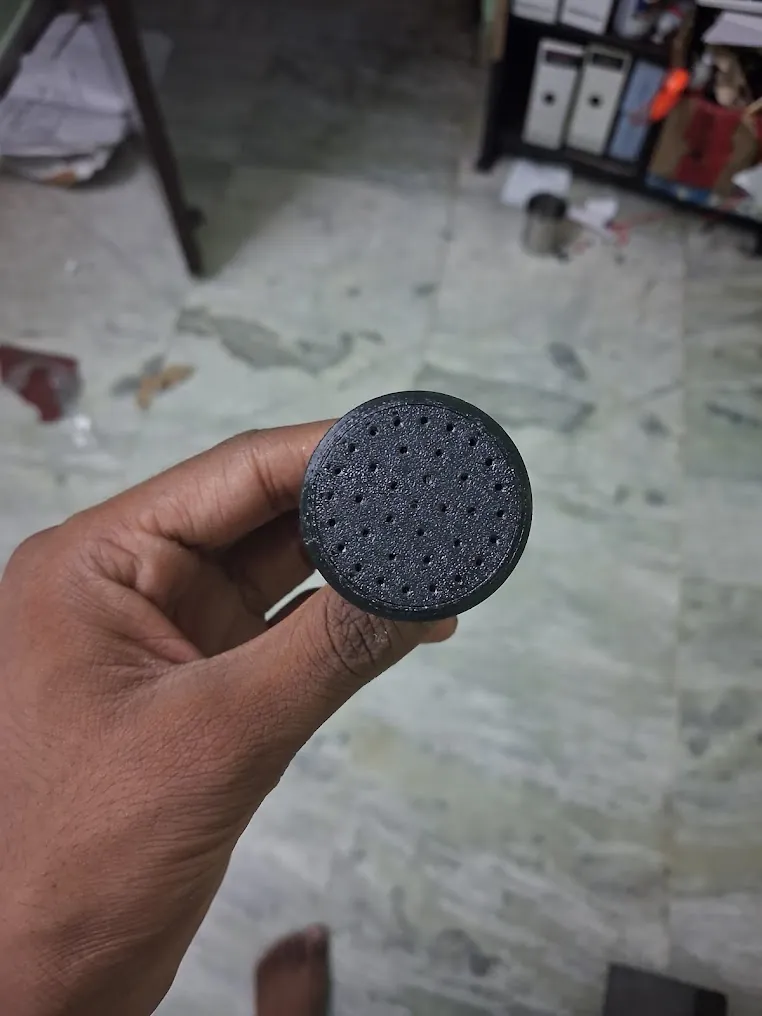
PETG, almost always.
PETG is the default. It is tough rather than merely stiff, tolerates warmth and damp, and bends before it breaks — which matters for a box that gets opened, closed, carried and occasionally dropped. See PETG printing.
PLA only for appearance models and indoor cosmetic work. It softens with heat, and an enclosure containing electronics is a heat source. It is the wrong material for a working housing and we will say so.
Where printing is the wrong answer entirely: if the enclosure needs a specific flammability rating, a certified material property, or a tested ingress rating, that is a moulded conversation. We would rather move you to moulding than sell a printed part carrying a claim it cannot support.
Dust yes, water carefully.
Dust resistance is straightforward: a designed gasket lip and a die-cut foam gasket compressed on assembly. We cut the gasket from the same drawing set as the enclosure, so it fits.
Water resistance takes deliberate engineering. A printed wall has layer interfaces that can wick, so it needs many perimeter walls, high extrusion flow, geometry that avoids thin sections, a properly compressed gasket and usually a sealing step. Done well it is highly water resistant.
What it is not is a certified IP rating, and treat that claim sceptically from any supplier including us. A tested rating needs testing behind it, and for that, moulding is the honest route — see IP65 enclosures.
Threads that survive.
The most common failure on a printed enclosure is a stripped screw thread. A printed fine thread has very little material holding it, and it strips on the second or third assembly — which for a lid that gets opened regularly means the housing fails long before anything else does.
- Heat-set brass inserts — the proper answer for anything opened repeatedly. Melted into a printed boss, they give a metal thread in a plastic part.
- Self-tapping screws into printed bosses — fine for assemblies opened rarely. Design the boss for the screw rather than using a machine-screw hole.
- Captive nuts — a hex pocket printed into the wall, nut dropped in during assembly. Free and effective.
- Printed threads — only at coarse pitches. Anything M6 or finer, use an insert.
Tell us how often the enclosure gets opened and we will specify accordingly. See file preparation.
Common questions.
Why print an enclosure instead of buying a stock box?
Because a stock box makes your product fit the housing, and printing makes the housing fit your product. Every connector position, mounting hole and vent is where you want it rather than where a drilled panel allows, and there is no tooling cost to justify. The compromise is finish and unit cost at higher volumes, which is when moulding takes over.
Which material is best for a printed enclosure?
PETG for most, because it is tough, handles warmth and damp, and does not go brittle. PLA only for appearance models and indoor cosmetic work — it softens with heat and is the wrong choice for anything that lives near electronics generating it. If the enclosure needs a specific flammability or temperature rating, that is a moulded-material conversation rather than a printed one, and we will say so.
Can printed enclosures be made dust or water resistant?
Dust resistance is achievable with a die-cut foam or elastomer gasket and a properly designed lip. Genuine water resistance is harder, because a printed wall has layer interfaces that can wick, so it takes deliberate design — many perimeter walls, high flow, a compressed gasket, and often a sealing step. If you need a certified IP rating, moulding is the honest route and we will point you there.
How quickly can I have a first enclosure?
Typically 24 to 72 hours from an approved design. If you are sending a board outline rather than finished enclosure CAD, add a short design step before that — usually a day or two to model it and send you the geometry to approve before anything is printed.
Can the design change between batches?
Freely, and that is the main reason to print at this stage. Because there is no tool to modify, revision two costs the same as revision one. Teams commonly ship the first fifty units, learn what is wrong with the housing, and change it for the next fifty — which is impossible once a mould exists.
Keep reading.
Ready to bring
your idea to life?
Whether you're an entrepreneur with a sketch or an established company scaling production, we'll treat your project like it's the only one on the floor.
Let's talk.
Prefer a quick chat? Call us directly, ping us on WhatsApp, or drop an email. We reply within a few hours during business hours.