Custom 3D printing on our own floor.
We run our own FDM machines in Ghaziabad. Send a STEP or STL file and get a quoted, printed part back in 24 to 72 hours — no broker, no subcontractor queue, and no surprise re-tooling charge when the design changes on revision three.
What a custom print run looks like here.
Custom 3D printing covers a wide span of jobs, and the useful distinction is not the machine — it is what the part has to survive. A display model for a pitch meeting and a bracket that carries load in a machine are printed very differently even when they come off the same printer, with different materials, wall counts and infill.
Most of what we print falls into four buckets:
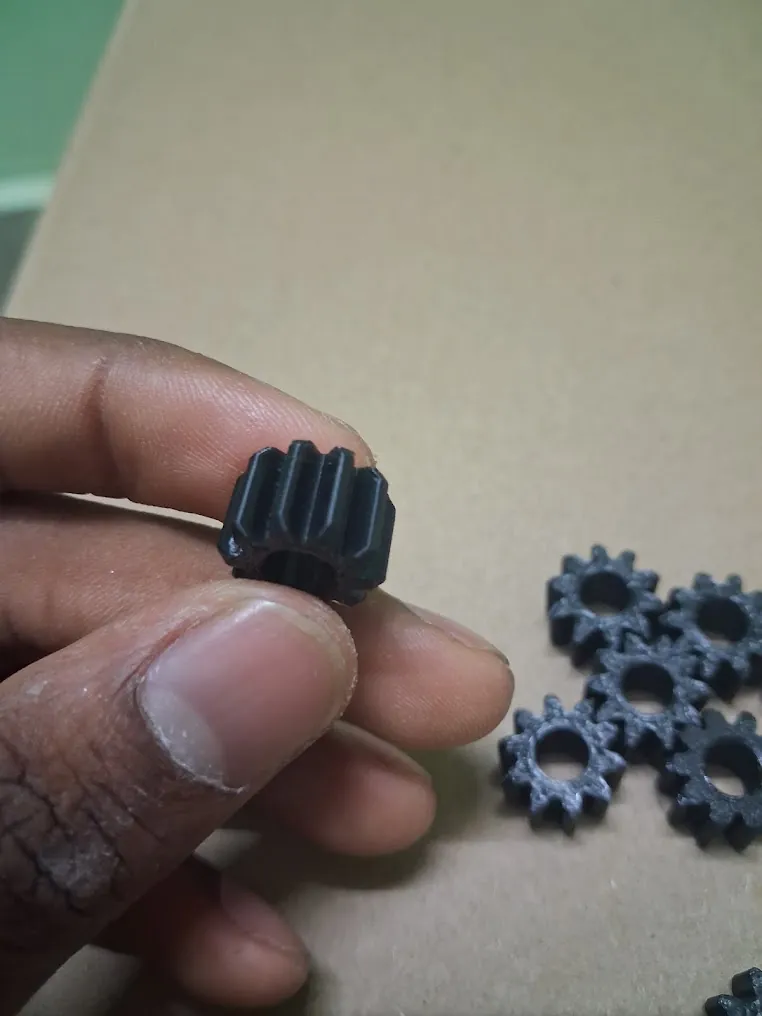
- Functional parts — components that see load, heat or repeated handling. Printed in PETG with high wall counts and dense infill so the part behaves like a part rather than a model.
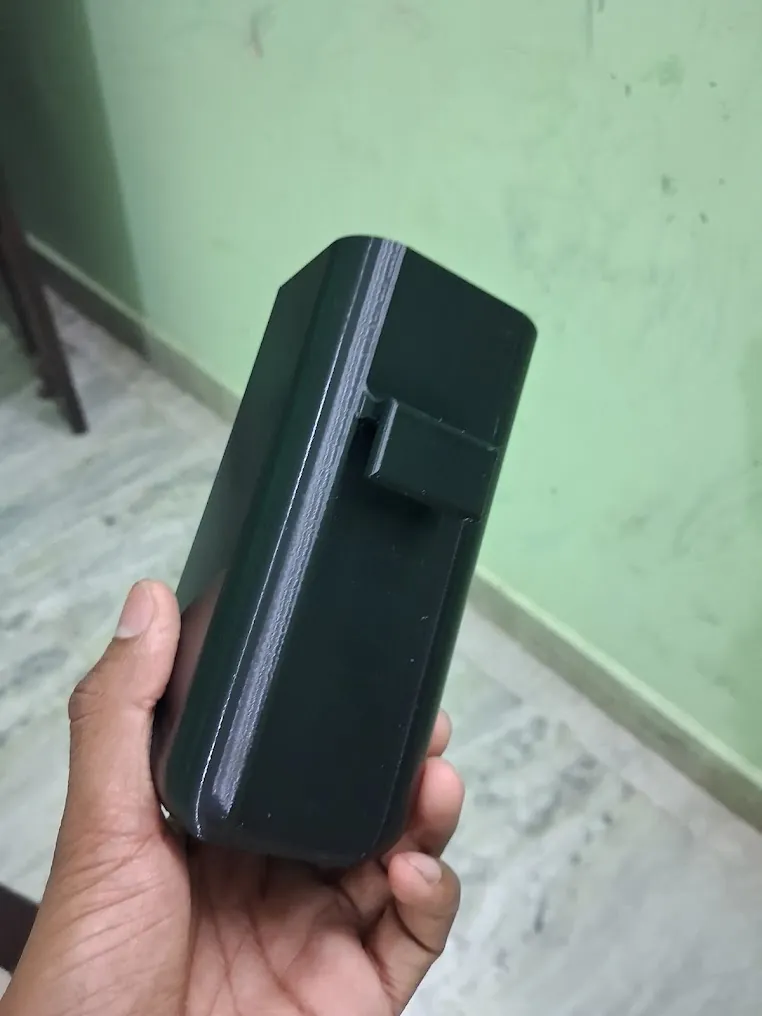
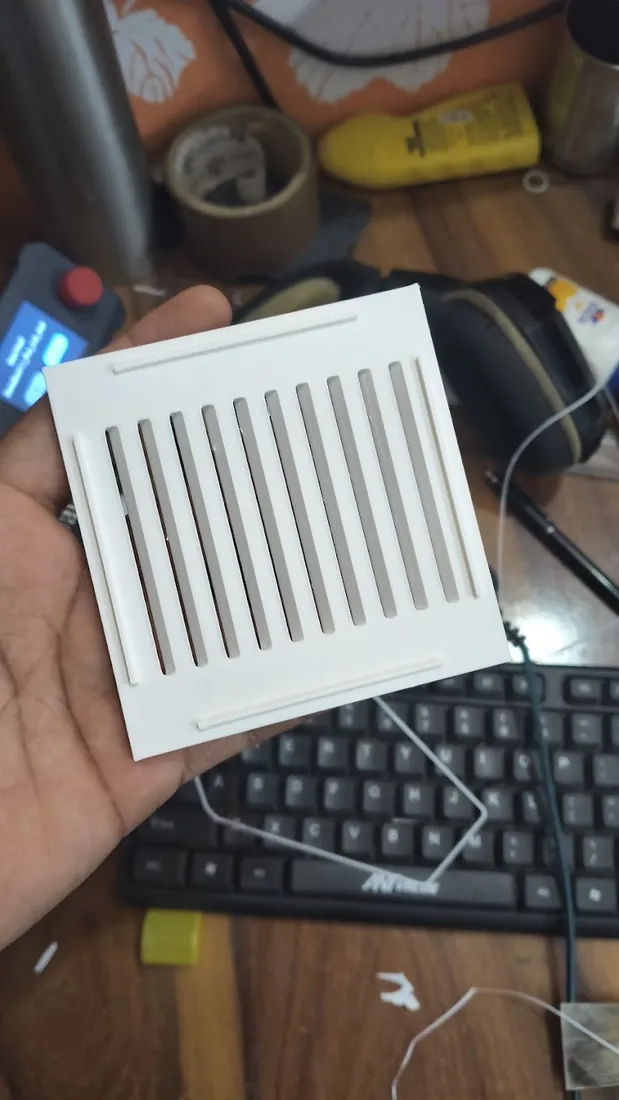
- Enclosures and housings — cases for PCBs, sensors and control gear, including cutouts for connectors, mounting bosses and integrated vents.
- Jigs, fixtures and tooling — shop-floor aids that hold a workpiece, guide a drill or check a dimension. Usually the highest-return prints a factory buys, because one fixture pays for itself across a whole production run.
- Aesthetic and review models — PLA prints for form, fit and stakeholder sign-off, where surface finish matters more than strength.
Parts off the floor.
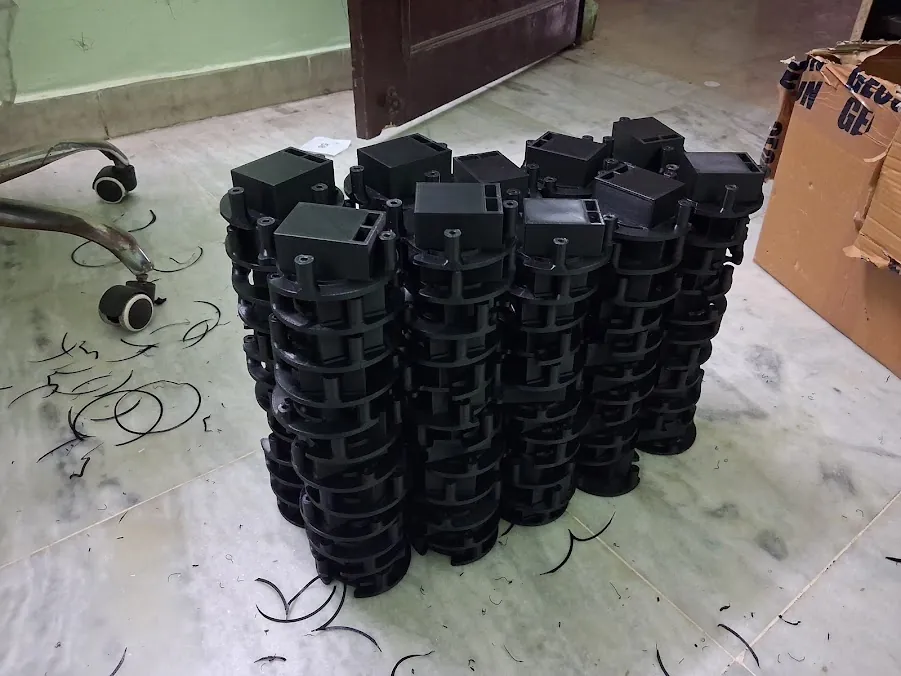
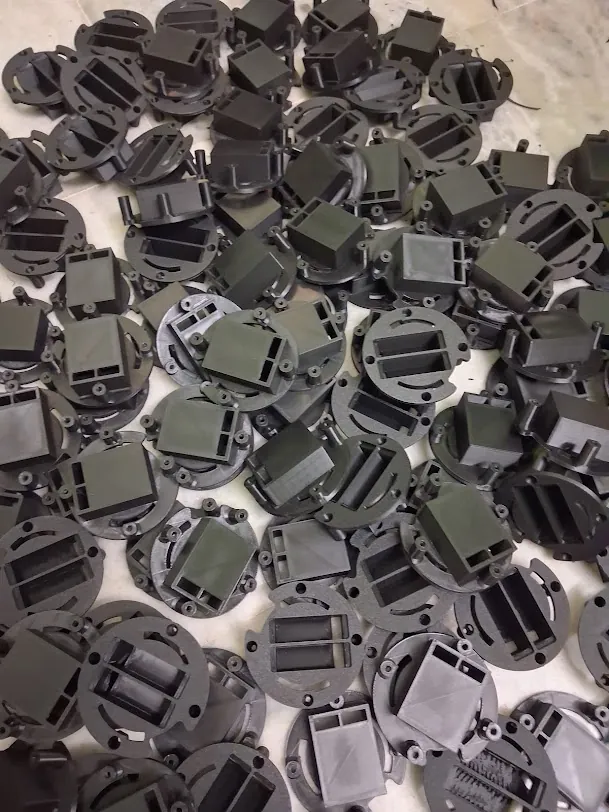
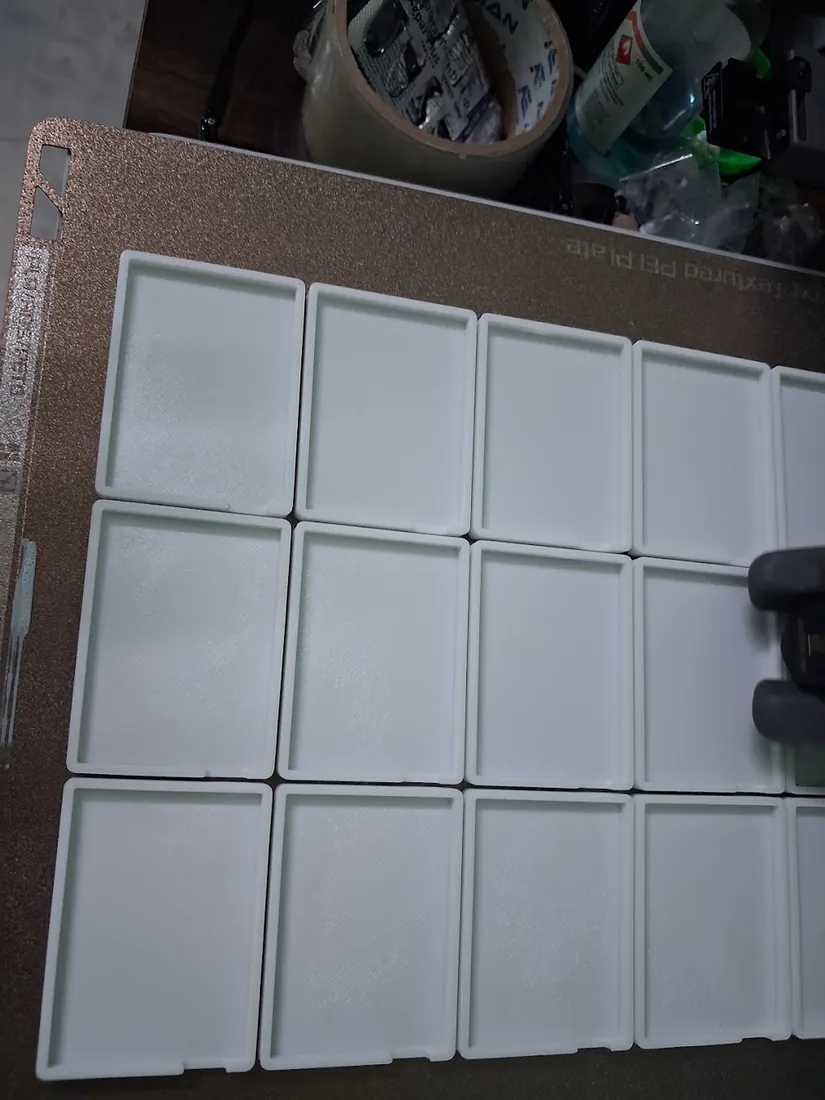
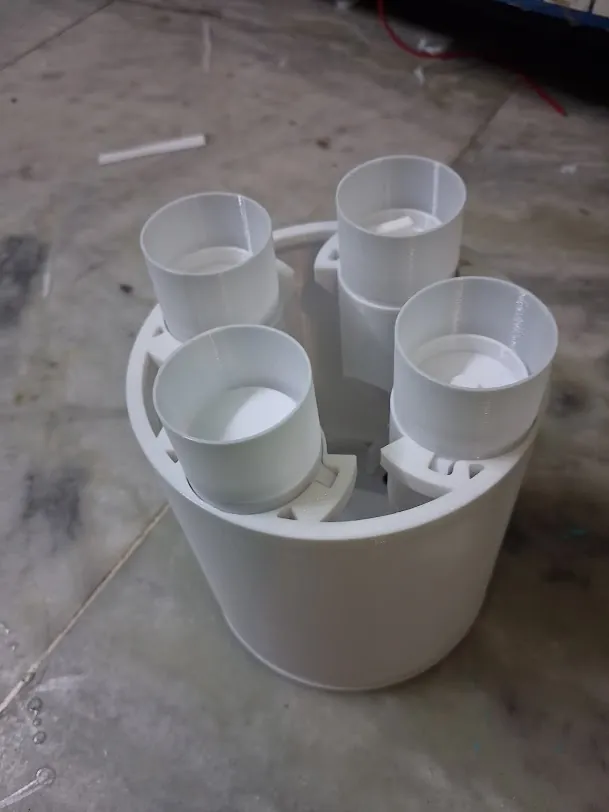
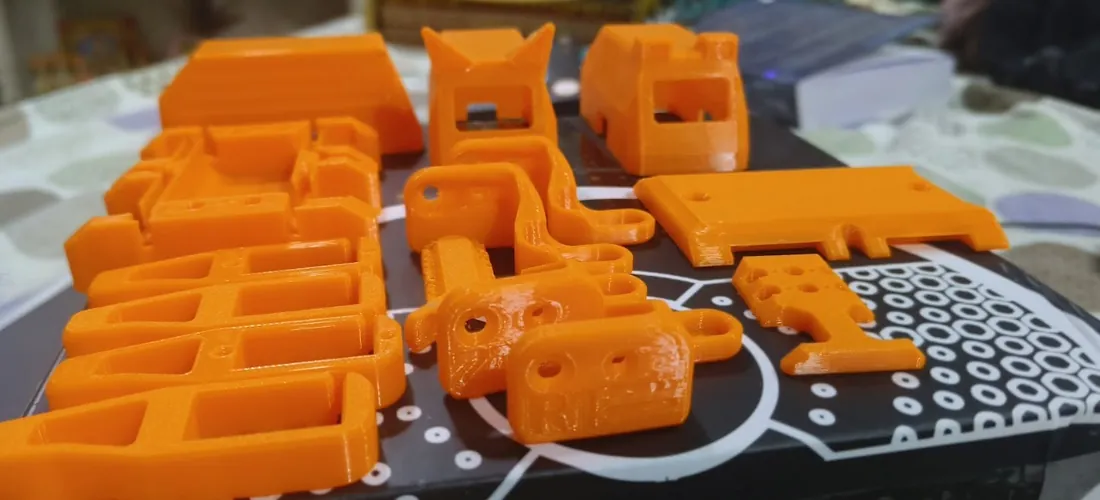
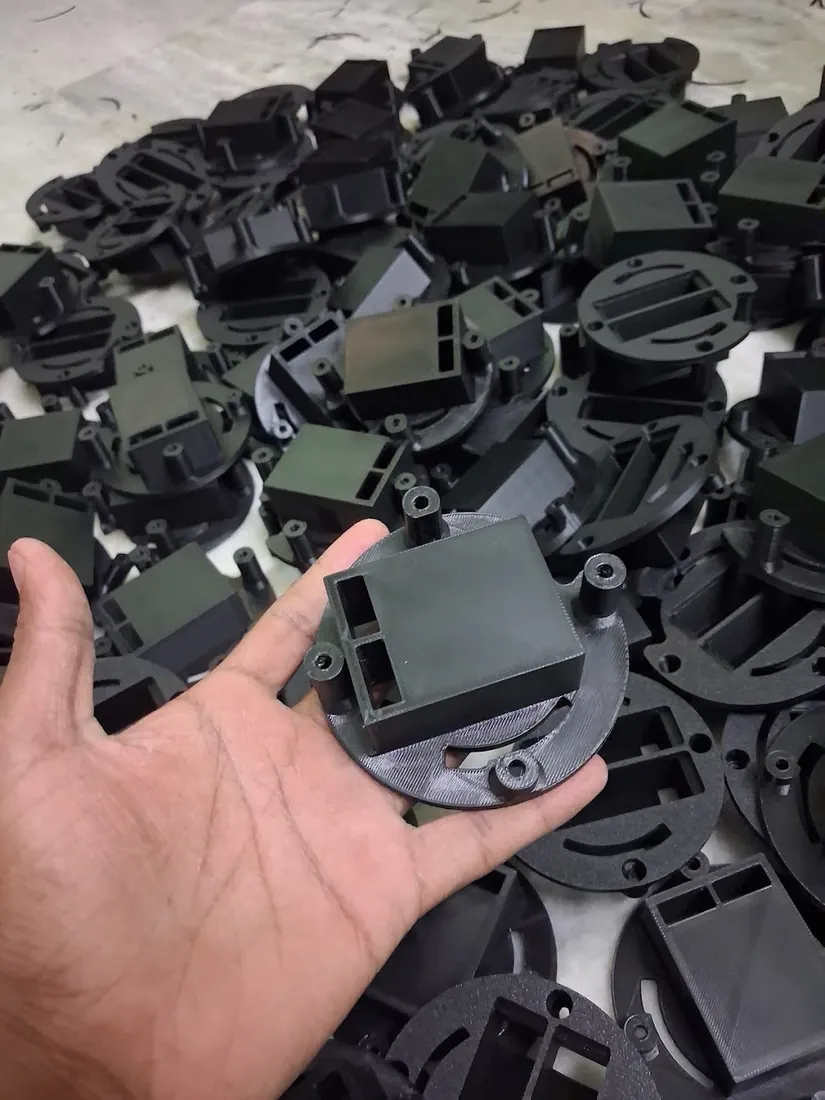
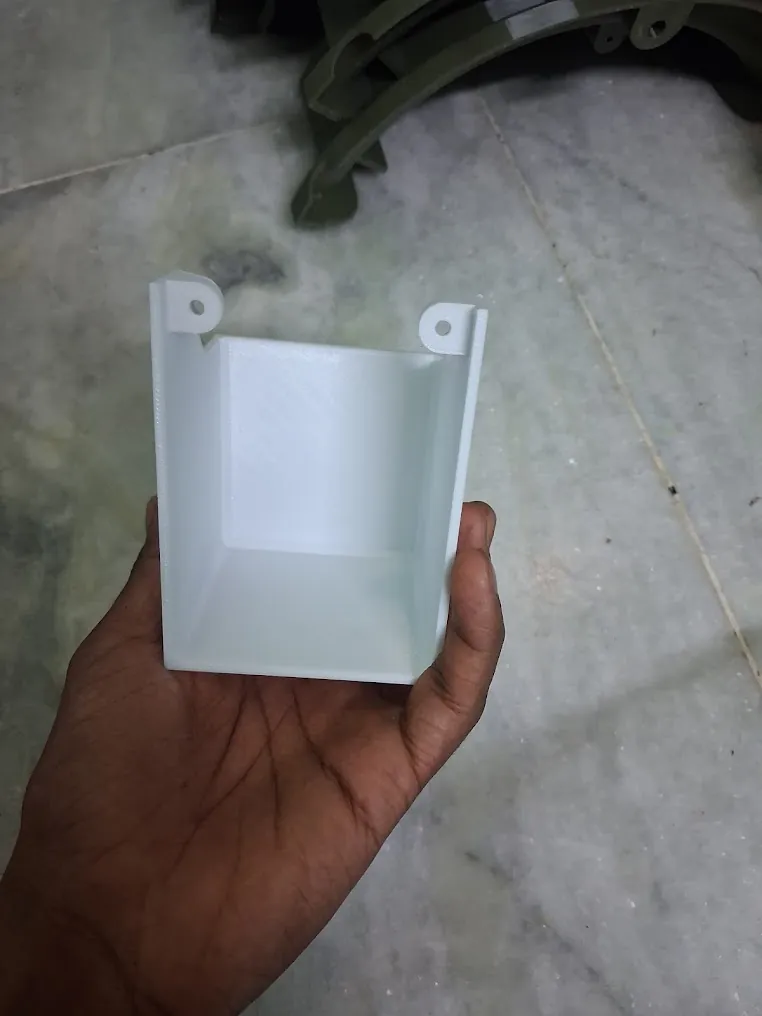
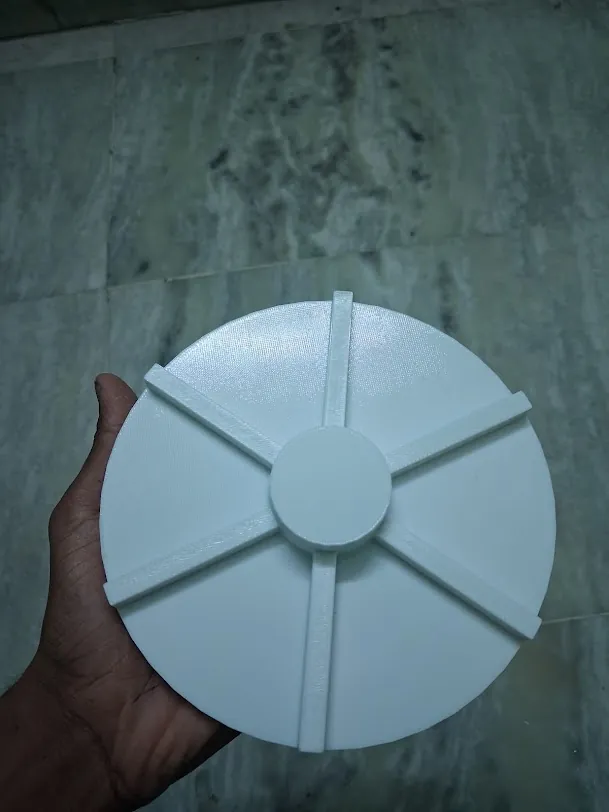
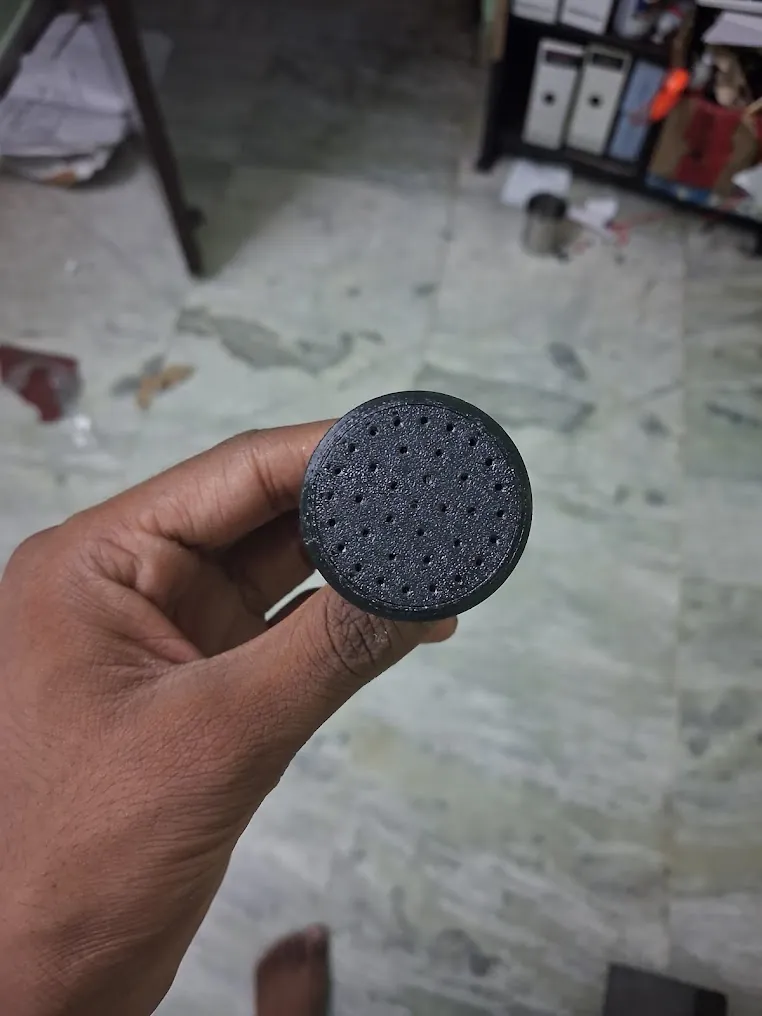
Photographs of actual jobs — production batches, enclosures and machined-fit components — rather than stock renders.
From file to finished part.
The fastest way to get a quote is a STEP file, because it carries true geometry we can measure and adjust. STL works too — it is a mesh, so it is fine for printing but harder to modify if a wall needs thickening or a hole needs to grow by two tenths.
- 01 — Send the file. STEP preferred, STL accepted. Tell us the quantity, the material if you have a preference, and what the part actually does.
- 02 — Review and quote. We check wall thickness, overhangs and any feature likely to fail, and flag it before printing rather than after.
- 03 — Print. Orientation and settings are chosen for the load case, not just for speed. Layer lines run across the load path, not along it.
- 04 — Finish and ship. Supports removed, dimensions checked, dispatched anywhere in India.
If the part is heading for volume later, this is also where a rapid prototyping loop is worth setting up properly — printing three revisions in a week is far cheaper than discovering the problem after tooling.
Things worth knowing before you print.
FDM is an additive process that builds in layers, and nearly every avoidable failure traces back to ignoring that. A few practical rules save a lot of reprints:
- Layer adhesion is the weak axis. A printed part is strongest in the plane of the layers and weakest across them. Orientation decides strength more than material does.
- Overhangs past roughly 45° need support, and supported surfaces come out rougher. Chamfers are cheaper than supports.
- Holes print undersize. Anything that needs a real fit should be modelled with clearance, or drilled and reamed after printing.
- Walls carry the load. Increasing wall count usually does more for strength than raising infill percentage, and uses less material.
- Large flat areas warp. Especially in bigger prints — breaking a face up or adding ribs helps more than slowing the print down.
Not sure which polymer suits the job? The PETG, PLA and TPU comparison walks through the trade-offs in plain terms.
Common questions.
How much does custom 3D printing cost?
Price follows machine time and material mass, so it scales with part volume, wall thickness, infill and how much support the geometry needs. A palm-sized bracket and a full enclosure are very different jobs. Send the file and the quantity and you will get a firm number rather than a range.
What file format do you need?
STEP is preferred because it holds true geometry we can measure and edit. STL is accepted and prints fine, but as a mesh it is much harder to modify if a feature needs changing. Drawings in PDF help when specific dimensions are critical.
How fast can I get parts?
Typical turnaround is 24 to 72 hours once the file is approved, depending on part size and queue. Because the machines are ours rather than a subcontractor's, urgent jobs can usually be moved up the queue.
Can you print production quantities, not just one-offs?
Yes. FDM makes sense up to a few hundred units depending on part size. Past that, moulding is usually cheaper per part — and since we also do manufacturing and PCB enclosures in-house, the same team can carry the design across without a handoff.
Do you deliver outside Ghaziabad?
Yes, we ship pan-India. The shop is in Ghaziabad, Uttar Pradesh, which covers Delhi NCR, Noida and Gurugram on short lead times.
Keep reading.
Ready to bring
your idea to life?
Whether you're an entrepreneur with a sketch or an established company scaling production, we'll treat your project like it's the only one on the floor.
Let's talk.
Prefer a quick chat? Call us directly, ping us on WhatsApp, or drop an email. We reply within a few hours during business hours.