Printed jigs and fixtures.
The tooling that keeps a line running: assembly nests, checking fixtures, drill guides, test jigs and gauges. Designed and printed in days, from a drawing or from the part it has to hold.
Why a fixture is the ideal printed part.
Production tooling is the application where 3D printing makes the most obvious economic sense, and it is the one most factories reach for last.
The reason is a mismatch. A jig's job is to hold one specific shape in one specific place — so it is geometrically complicated but mechanically undemanding. Machining prices exactly the wrong way round for that: complex geometry means more setups, more operations and more programming, all for a part that will only ever be made once. Printing prices complexity at zero. A fixture that takes a tool room two weeks and a five-figure quote is often a two-day print at a fraction of the cost.
The second effect matters more over time. When a fixture is cheap and quick, it stops being a capital decision. People stop working around a slightly wrong jig because requesting a better one is no longer a month-long negotiation — and the small daily inefficiencies that nobody could previously justify fixing start getting fixed.
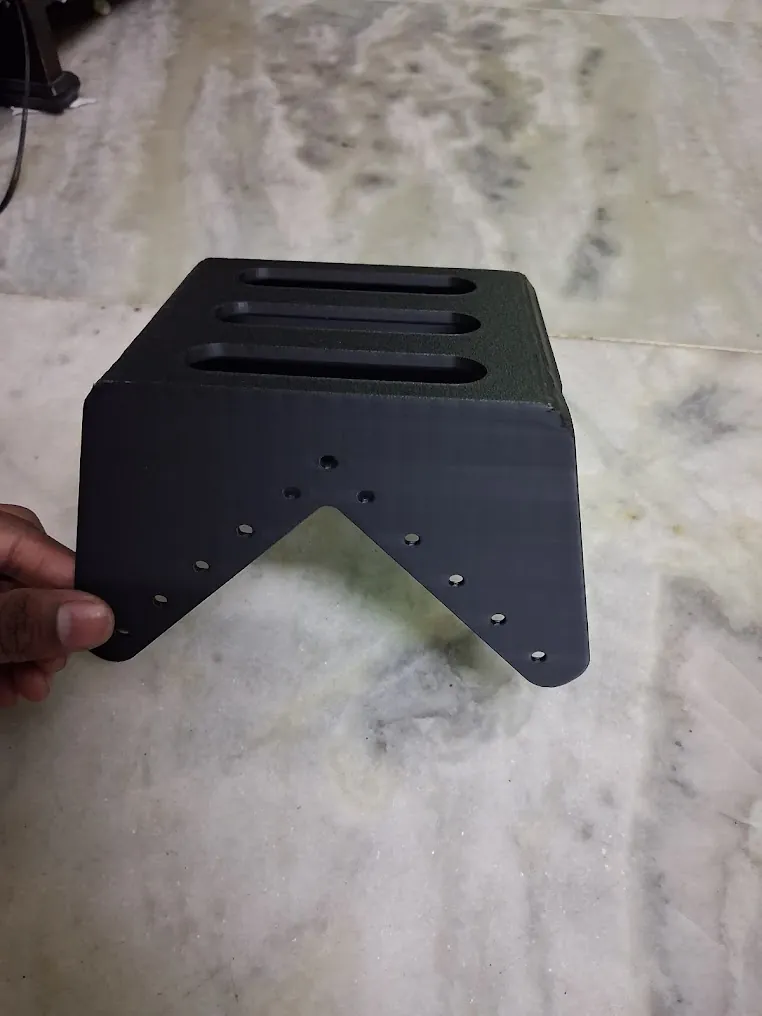
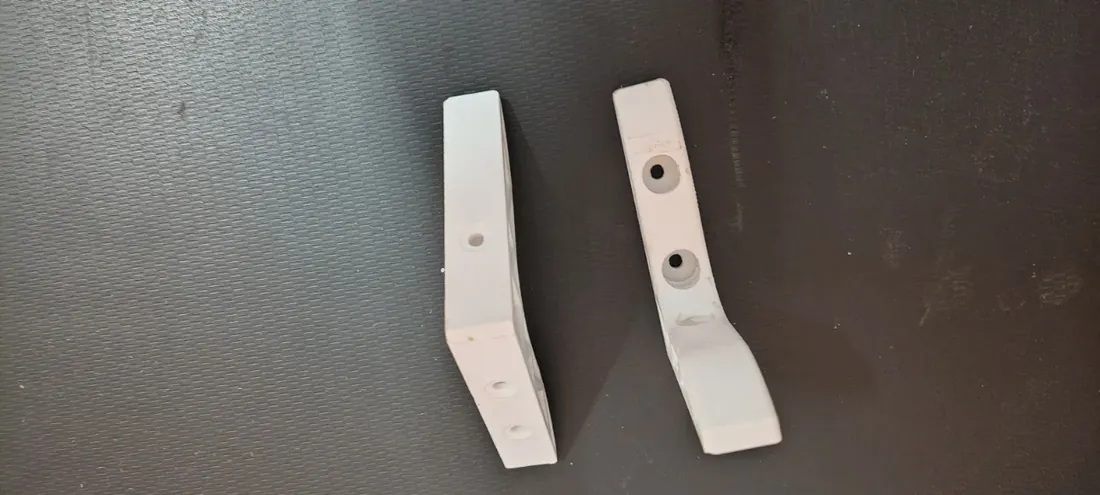
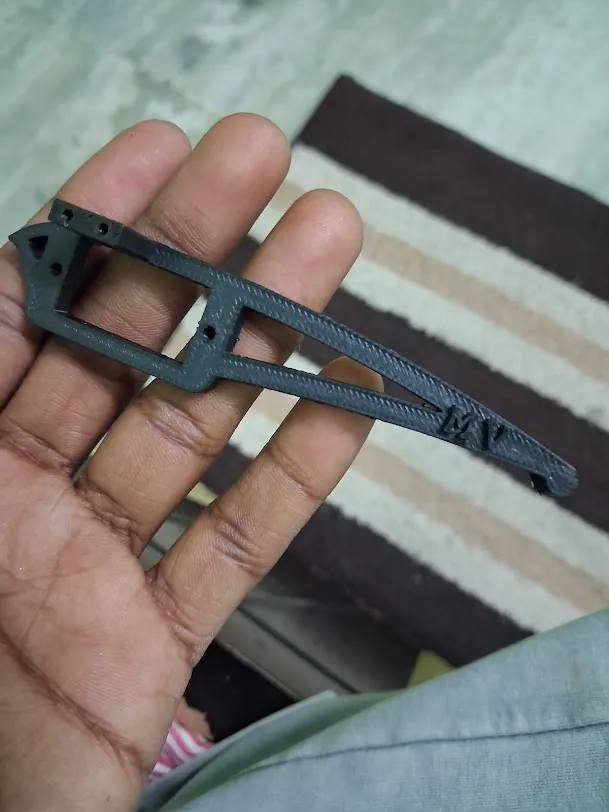
Tooling we supply.
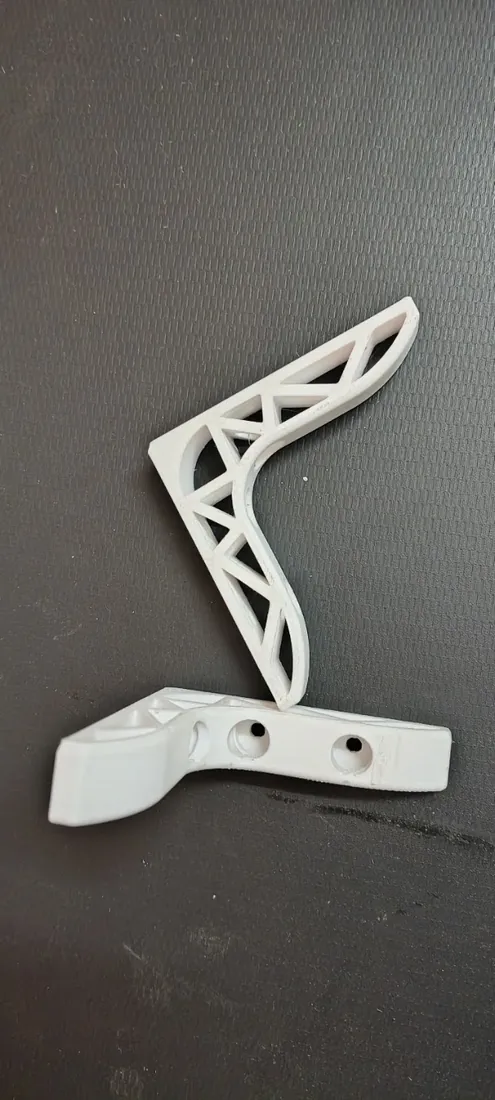
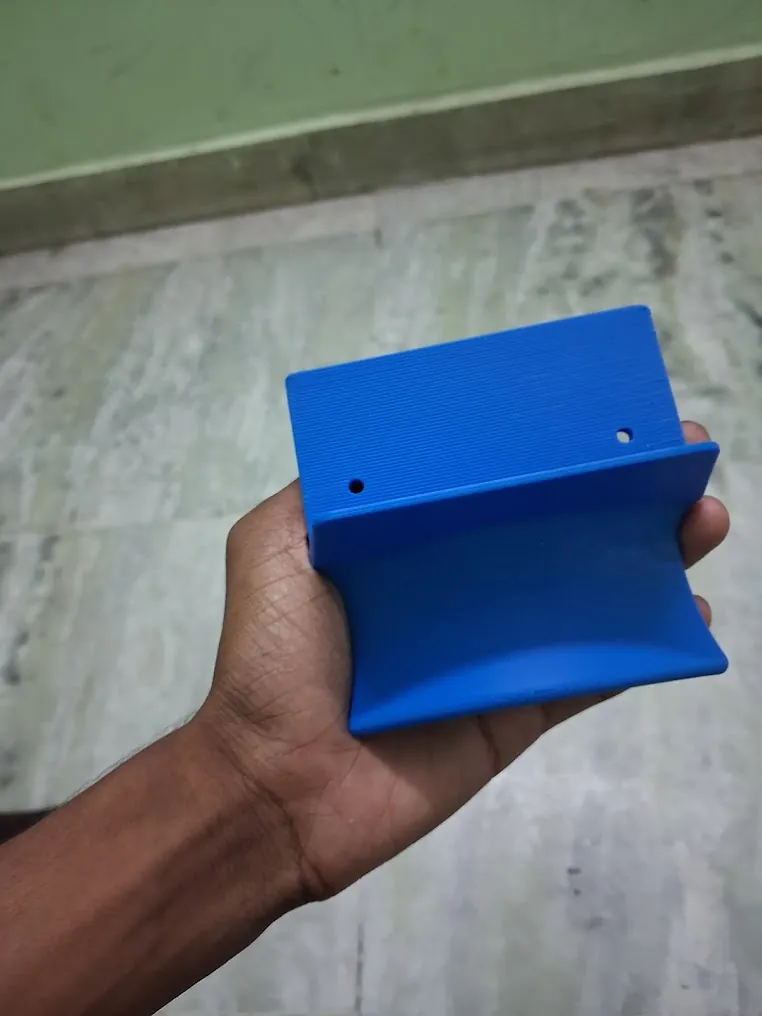
- Assembly nests and holding fixtures — cradling a part in a known orientation while it is worked on, so both hands are free and the operation is repeatable.
- Checking fixtures and go/no-go gauges — verifying a dimension or profile in seconds without measuring instruments.
- Drill and cutting guides — locating holes and cuts consistently on parts that would otherwise be marked out by hand.
- PCB test and pogo-pin fixtures — built around a board outline, with connector and test-point positions matched exactly. Common work for the Noida electronics belt.
- Welding and brazing positioners — holding an assembly square through the heat, printed for the tack-up rather than the weld itself.
- Line change parts — guides, chutes, star wheels and pushers for existing machinery whose original spares are obsolete or absurdly priced.
- Ergonomic aids — handles, trays and supports designed around one operator's actual task rather than bought from a catalogue.
Where printed tooling stops.
Two honest limits, because a fixture that quietly fails is worse than no fixture.
Accuracy. A printed fixture locates and holds well, and for most assembly work that is all it needs to do. It is not a ground steel plate, and a printed part is subject to thermal variation and layer-scale deviation that a machined one is not. Where a specific tolerance has to be held — particularly on a checking gauge, where the whole point is trusting the measurement — tell us which dimension and how tight. We will either design the print to hold it, add a machined insert at the critical feature, or tell you it should be machined outright. A gauge that passes bad parts is an expensive way to save money on tooling.
Wear. PETG handles daily handling, coolant splash and knocks perfectly well. Where it wears is hard sliding contact and sustained clamping load. The standard answer is a printed body with metal where the wear is: a bush, a hardened pin, a steel plate at the contact face, threaded inserts instead of printed threads. That hybrid is usually still far cheaper and faster than machining the whole fixture, and we design for it rather than pretending the polymer will do everything.
Send the part, not a brief.
The fastest route to a working fixture is the component it has to hold. Send the part and we measure it and build the geometry around it — which removes the round of revisions that follows a fixture designed from a drawing that turned out not to match the part as made.
- 01 — The part, or its drawing. Physical is better. A STEP file is the next best thing.
- 02 — What the fixture must do. Hold, check, guide, or test — and which faces and features must stay accessible.
- 03 — Critical dimensions. Mark the ones that matter. Everything unmarked is assumed nominal.
- 04 — Quantity. One for a cell, or forty for a whole line — it changes how we print, not whether we can.
You receive the CAD model as well as the parts, so the next revision is an edit rather than a fresh start. For a line changeover, dozens of identical fixtures is a good fit — there is no tooling to amortise, so unit forty costs what unit one did. See low volume production for where that stops being true.
Common questions.
Why print a jig instead of machining one?
Cost and time, for a class of part that is geometrically awkward but not mechanically demanding. A jig's job is to hold a specific shape in a specific place — which is expensive to machine because the shape is one-off, and cheap to print because complexity costs nothing. A fixture that takes a tool room two weeks and a five-figure quote is often a two-day print.
What kinds of jigs and fixtures do you make?
Assembly nests that hold a part while it is worked on, checking fixtures and go/no-go gauges, drill and cutting guides, PCB test and pogo-pin fixtures, welding positioners, and line change parts for existing machinery. Most start from either a component drawing or the physical part the fixture has to fit.
How accurate is a printed fixture?
Good enough for locating and holding on most assembly work, but it is a printed polymer and not a ground steel plate. Where a specific tolerance has to be held, tell us which dimension and how tight, and we will either design the print to hold it or tell you it needs machining. We would rather say so up front than supply a gauge that quietly passes bad parts.
Will a printed fixture survive continuous shop-floor use?
PETG fixtures hold up well to daily handling, coolant splash and knocks. Where they wear is at hard sliding contact and under sustained clamping load, and the usual answer is a printed body with a metal insert, bush or plate at the wearing surface. We design for that rather than pretending the polymer will do everything.
Can you make a fixture from a sample part rather than a drawing?
Yes, and often it is faster. Send the component the fixture has to hold and we measure it and build the geometry around it. You get the CAD model as well, so the next revision of the fixture is a small edit rather than a fresh start.
Can you print several dozen identical fixtures for a whole line?
Yes. Dozens of the same fixture is a good fit for FDM — the tooling cost is zero, so unit twenty costs the same as unit one, and the whole set can be delivered together for a line changeover. Past a few hundred, we would look at whether moulding makes better economic sense and tell you.
Keep reading.
Ready to bring
your idea to life?
Whether you're an entrepreneur with a sketch or an established company scaling production, we'll treat your project like it's the only one on the floor.
Let's talk.
Prefer a quick chat? Call us directly, ping us on WhatsApp, or drop an email. We reply within a few hours during business hours.